

Shipping Green Tea from Shengzhou: Documents, Incoterms, and What to Confirm Before You Book
You have picked your grade, the factory has quoted you, and the price looks right. Most first-time buyers think the order is done at this point. It is not. The tea still has to travel from a factory in Shengzhou to your warehouse, and that part of the job is where first orders most often go wrong — not because the tea is bad, but because a document is missing, a shipping term was misunderstood, or nobody confirmed the packaging before the container was loaded. The good news is that none of this is complicated. It is a short list of papers and decisions, and if you work through it before you book, the shipment is usually uneventful.
The documents your shipment travels with
Every export shipment carries a set of papers, and customs on your side will ask for them. The exact list depends on your country, so treat this as the usual set and confirm it with your own customs broker before you order. The commercial invoice states what the goods are, how much there is, and what they are worth. The packing list says how the tea is packed — how many cartons, what is in each one, and the gross and net weight. The certificate of origin states where the tea was produced. The phytosanitary certificate is the plant-health document many countries require for agricultural products. Some markets also ask for a health certificate, and European buyers usually want a test report showing the lot meets EU residue rules — our EU standard vs export grades checklist explains what European importers should check before ordering. Finally, the bill of lading is the shipping line’s document: it is the receipt for the goods and, in most cases, the document you need to take delivery at your port. Before you book, ask the factory to confirm in writing that it can supply each document your market requires. A factory that has exported for years will have done this many times; a supplier that hesitates over the paperwork is a warning sign. Our Morocco import guide walks through the same checks for a first order to North Africa.
Incoterms in plain language
When a factory quotes you, the price comes with a three-letter term — EXW, FOB, CFR or CIF — and that term decides who pays for what and where the risk passes from seller to buyer. EXW (Ex Works) means you collect the goods at the factory gate and arrange everything yourself, including export clearance and transport. It is the cheapest quote and the most work for you. FOB (Free on Board) means the factory delivers the tea on board the ship at the port of shipment and clears it for export; from there the freight and insurance are yours. CFR (Cost and Freight) adds the sea freight to the destination port to the factory’s side. CIF (Cost, Insurance and Freight) adds marine insurance as well. For a first order, most buyers ask for FOB or CIF. FOB keeps the freight in your hands, so you can use a forwarder you trust; CIF is simpler, because the factory arranges the freight and insurance to your port, but you should still ask exactly which port the price covers and what the insurance covers. Whatever term you agree, get it written on the quotation and the invoice, with the named port, so there is no argument later about who was supposed to pay for what.
Packaging and marks before loading
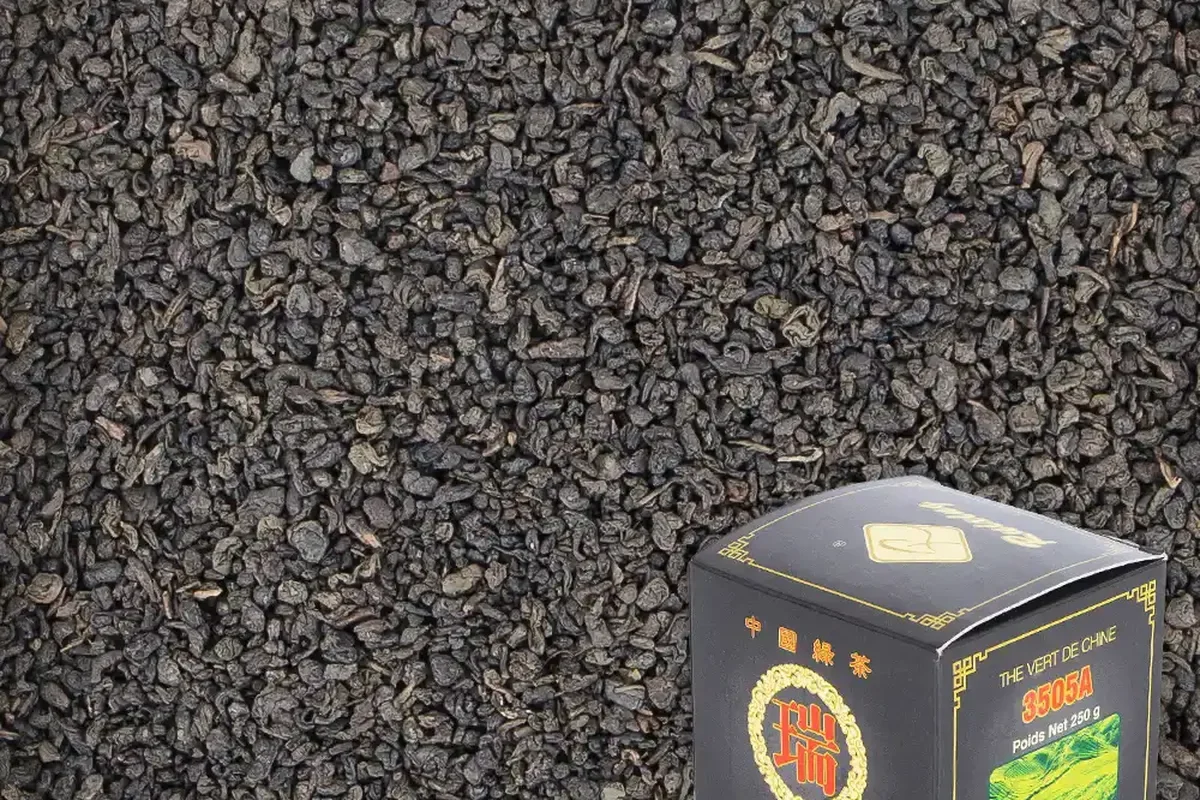
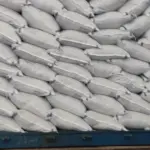
Tea is a dry product that picks up smells and damp easily, so the packing matters as much as the grade. Before the container is loaded, confirm the pack size and the carton marks: the grade name and number, the net weight, the number of cartons, and the shipping marks you or your forwarder asked for. Bulk tea usually travels in lined sacks or cartons; retail packs travel in their own boxes inside outer cartons. Our packaging guide for Africa compares the 25g box, the 100g pack and bulk packing, and explains what actually sells in each market. If you are selling under your own brand, the artwork and the box have to be agreed and printed before the packing line runs — our private label guide covers what the factory needs from you. Do not leave the marks to the last day: once the tea is packed and sealed, changing a carton mark means opening cartons.
Check the tea before it leaves the factory
The cheapest time to find a problem with a lot is before it is loaded, not after it arrives at your port. Ask the factory to send you a pre-shipment sample from the actual lot, and cup it the way your customers will drink it — for mint tea markets, that means brewed strong and sweet, with mint. Our cupping checklist shows how a factory judges leaf, liquor and aroma, so you can check the sample against the same routine. If the sample is not the grade you agreed, say so now: it is a conversation. After the container sails, it is a claim. The factory should also be able to tell you the lot number, the packing date and the test report for the lot, so the documents and the tea match each other.

What to confirm before you book — a short checklist
Run through this list with the factory before you confirm the shipment, and get the answers in writing. Grade and specification: the grade number — for example Gunpowder 3505 or Chunmee 4011 — and the specification you agreed, in the quotation. Packaging and marks: pack size, carton count, and the exact shipping marks. Documents: the full list your market requires, confirmed as available. Shipping term and port: the Incoterm and the named port of loading and destination port. Inspection: a pre-shipment sample from the lot, approved by you. Payment: the payment terms as agreed, with the documents the payment is tied to. And timing: ask the factory for the current production and loading schedule, and ask your forwarder for the current sailing options — both move with the season, so get today’s picture, not a figure from an old quotation. If any item on this list has no answer yet, the shipment is not ready to book.
About the factory
Shengzhou Ruixing Tea Industry Co., Ltd has made and exported gunpowder and chunmee tea since 1999, from Shengzhou City, Zhejiang — the country’s largest gunpowder tea production, processing and export distribution centre. The plant covers 30,000 sq m, with about 15,500 sq m of buildings, four tea manufacture workshops and a packaging workshop with an automated tea packaging line, supplied from 10,000 acres of tea-planting bases. Annual export sales are stable at more than $8 million, and we have supplied Moroccan companies DAMANDIS and STE.GROUPE BELLAKHDAR since 2002. Read more on our Company Profile.
Next step: tell us your market, the grade you want, and the port it is going to, and we will confirm the documents, the packing and the shipping term for your order — before you book anything. Contact us to start.
FAQ for first-time green tea importers
Which documents do I need to import green tea from China?
The usual set is a commercial invoice, packing list, certificate of origin, phytosanitary certificate, and the bill of lading, plus a health certificate and a test report where your market requires them. Confirm the exact list with your customs broker and ask the factory to confirm in writing that it can supply each one before you book.
What does FOB mean when I buy green tea?
FOB means the factory delivers the tea on board the ship at the port of shipment and clears it for export. From there the sea freight and insurance are yours, so you arrange them with your own forwarder.
Should I choose CIF or FOB for my first order?
CIF is simpler because the factory arranges the freight and insurance to your port, while FOB keeps the freight in your hands so you can use a forwarder you trust. Ask the factory which term it quotes, and check exactly which port the price covers and what the insurance covers.
How do I know the tea shipped is the tea I approved?
Ask for a pre-shipment sample from the actual lot and cup it the way your customers will drink it, using the same routine the factory uses to judge leaf, liquor and aroma. If the sample is not the grade you agreed, raise it before the container is loaded.
What should I confirm with the factory before booking the shipment?
The grade and specification in writing, the packaging and carton marks, the full list of documents your market requires, the Incoterm and the named ports, a pre-shipment sample, and the payment terms. If any item has no answer yet, the shipment is not ready to book.
Recent Posts
-
-
-
-
-